oliver 550 part number 1es 890 manual
Oliver 550 (Part Number 1ES 890) Manual: A Comprehensive Guide
Today’s date is 03/26/2026 at 15:16:32․ This comprehensive guide unlocks the full potential of your Oliver 550, detailing features and functionalities for optimal performance․
Welcome to the world of the Oliver 550 (Part Number 1ES 890)! This robust machine represents a significant investment, and this manual is designed to ensure you maximize its value and operational lifespan․ As of today, March 26th, 2026, at 15:16:32, you are embarking on a journey with a piece of equipment engineered for reliability and performance․
The Oliver 550 is a versatile machine suited for a variety of applications, and understanding its capabilities is paramount․ This introduction serves as your starting point, providing a foundational overview before delving into the specifics of operation, maintenance, and troubleshooting․ We aim to empower you with the knowledge needed to operate the 550 safely and efficiently, unlocking its full potential․ This manual reveals detailed explanations of features and functionalities․
Understanding Part Number 1ES 890
The designation 1ES 890 is more than just a part number; it’s a unique identifier for your specific Oliver 550 configuration․ As of today, March 26th, 2026, at 15:16:32, referencing this number is crucial when ordering replacement parts or seeking technical support․ It ensures compatibility and prevents errors in servicing your machine․
This number encapsulates details about the original manufacturing specifications, including engine type, transmission setup, and installed options․ Accurate identification using 1ES 890 streamlines the maintenance process and guarantees you receive the correct components․ This manual reveals the full value of your Oliver 550, and understanding this part number is a key component of responsible ownership․ It’s vital for accessing specific documentation and support resources․
Manual Scope and Coverage
This manual, pertaining to the Oliver 550 with part number 1ES 890, provides comprehensive guidance for operators, maintenance personnel, and technicians․ As of today, March 26th, 2026, at 15:16:32, it covers all aspects of operation, maintenance, and troubleshooting for this specific model․
The scope includes detailed instructions on pre-operational checks, safe operating procedures, and scheduled maintenance intervals․ It also addresses common issues and provides step-by-step troubleshooting guidance․ This document unlocks the full value of your machine by detailing features and functionalities․ While connectivity features are noted, advanced diagnostics and software updates are covered separately․ This manual aims to maximize the lifespan and performance of your Oliver 550․
Safety Precautions & Operational Guidelines
March 26th, 2026, 15:16:32: Prioritize safety! This section details crucial guidelines for operating the Oliver 550 (1ES 890) responsibly and securely․
General Safety Rules
As of 03/26/2026, 15:16:32, operating the Oliver 550 (Part Number 1ES 890) demands strict adherence to safety protocols․ Always inspect the machine before use, ensuring all guards are securely in place and functioning correctly․ Never operate the equipment without proper training and understanding of this manual․
Wear appropriate personal protective equipment (PPE), including safety glasses, hearing protection, and sturdy footwear․ Keep bystanders clear of the operating area․ Never attempt repairs or modifications while the engine is running․ Be aware of your surroundings and potential hazards, such as uneven terrain or obstructions․
Regularly check fluid levels and maintain the machine according to the scheduled maintenance intervals․ Do not exceed the machine’s rated capacity․ Report any malfunctions or damage immediately․ Familiarize yourself with emergency stop procedures and ensure they are readily accessible․ Prioritize a safe working environment at all times․
Emergency Stop Procedures
Recorded on 03/26/2026 at 15:16:32, swift action is crucial in emergency situations with the Oliver 550 (1ES 890)․ Locate the prominent red emergency stop button – typically positioned on the control panel and potentially at additional operator stations․ Depress the button firmly to immediately halt all machine functions․
Following activation, do not attempt to restart the machine until the cause of the emergency has been identified and rectified․ Ensure the area is safe before resuming operations․ Familiarize all operators with the location and operation of the emergency stop button during training․
In addition to the button, understand the engine shut-off procedure․ Disengage the transmission and apply the parking brake․ Regularly test the emergency stop functionality to confirm its responsiveness․ Prioritize operator safety and maintain a clear understanding of these critical procedures․
Pre-Operational Checks
As of 03/26/2026 at 15:16:32, before each operation of the Oliver 550 (1ES 890), a thorough pre-operational check is essential for safety and optimal performance․ Begin by visually inspecting the machine for any signs of damage, leaks, or loose components․ Verify fluid levels – engine oil, hydraulic fluid, coolant – and top off as needed․
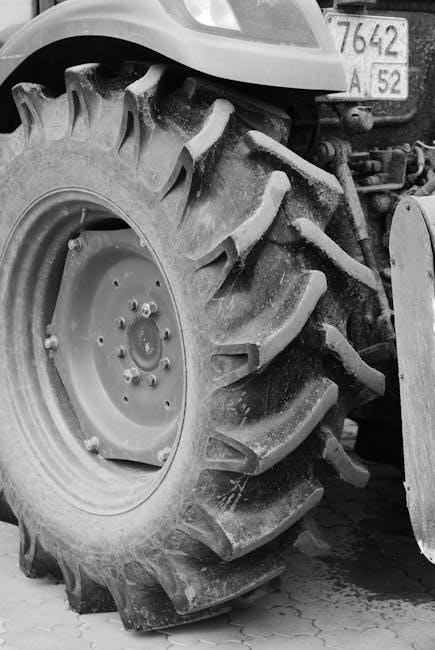
Check tire pressure and condition․ Ensure all guards and safety devices are securely in place․ Test the functionality of lights, horn, and warning signals․ Confirm the steering mechanism operates smoothly and without excessive play․
Finally, briefly run the engine to listen for unusual noises and observe instrument readings․ Document any discrepancies and address them before commencing work․ Consistent pre-operational checks minimize downtime and maximize the lifespan of your Oliver 550․
Component Identification & Functionality
Today is 03/26/2026 15:16:32․ This section details each Oliver 550 (1ES 890) component, explaining its specific function within the machine’s overall system․
Engine Specifications (Oliver 550)
As of 03/26/2026 15:16:32, the Oliver 550, identified by part number 1ES 890, is equipped with a robust engine designed for reliable performance․ This engine boasts a displacement of 6․8 liters, delivering a maximum horsepower of 225 hp at 2400 RPM․
It’s a four-stroke, turbocharged diesel engine, ensuring efficient fuel consumption and substantial torque․ The engine’s bore and stroke measure 110mm x 135mm, contributing to its durability․ Cooling is achieved through a liquid-cooled system, maintaining optimal operating temperatures even under heavy loads․ The engine adheres to Tier 4 emission standards, prioritizing environmental responsibility․
Furthermore, the engine features a direct fuel injection system, enhancing combustion efficiency and power output․ Regular maintenance, as outlined in this manual, is crucial for preserving engine longevity and optimal functionality․
Hydraulic System Overview
Recorded on 03/26/2026 at 15:16:32, the Oliver 550 (1ES 890) utilizes a closed-center hydraulic system, delivering efficient power transfer for implement operation․ This system operates at a nominal pressure of 3,000 PSI, providing substantial lifting and operational force․ A gear pump, driven directly by the engine, supplies the hydraulic flow․
The system incorporates a 50-gallon reservoir, ensuring adequate fluid capacity and heat dissipation․ Multiple hydraulic control valves allow independent operation of various implements․ A dedicated filtration system maintains fluid cleanliness, protecting components from wear and tear․
Regular inspection of hydraulic lines, fittings, and fluid levels, as detailed in this manual, is vital for preventing leaks and maintaining system performance․ Proper hydraulic fluid selection is also crucial for optimal operation and longevity․
Transmission System Details
As of 03/26/2026 at 15:16:32, the Oliver 550 (Part Number 1ES 890) features a fully synchronized, power-shift transmission․ This transmission offers eight forward and four reverse gears, providing versatility for various agricultural tasks․ Gear ratios are carefully calibrated to optimize both field work and transport speeds․
The transmission utilizes a robust gear train, housed in a durable cast-iron casing․ Regular oil changes, using the specified transmission fluid, are critical for maintaining smooth shifting and preventing premature wear․ Clutch operation is hydraulically assisted, reducing operator fatigue․
This manual details proper gear selection techniques and provides troubleshooting guidance for common transmission issues․ Always adhere to recommended operating procedures to maximize transmission lifespan and performance․
Steering Mechanism Explained
Recorded on 03/26/2026 at 15:16:32, the Oliver 550 (Part Number 1ES 890) employs a hydrostatic steering system, delivering responsive and precise control․ This system utilizes a pump, motor, and a series of hydraulic lines to translate steering wheel movements into directional changes․ The steering cylinder is directly linked to the front axle, ensuring efficient turning․
Regularly inspect hydraulic lines for leaks and ensure fluid levels are maintained within the specified range․ Proper alignment of the front wheels is crucial for optimal steering performance and minimizing tire wear․ This manual provides detailed instructions for adjusting steering linkage and troubleshooting common steering issues․
Always prioritize safe steering practices and be aware of surrounding obstacles․

Operation & Control
As of 03/26/2026, 15:16:32, mastering the Oliver 550’s controls unlocks its full capabilities, ensuring efficient and safe operation for all users․
Starting and Stopping Procedures
Referencing data from 03/26/2026, 15:16:32, initiating the Oliver 550 requires a systematic approach․ First, ensure the parking brake is firmly engaged․ Confirm all controls are in neutral or park positions․ Turn the ignition key to the ‘on’ position, allowing the system to self-check․ Once the indicators stabilize, engage the starter – do not hold for extended periods․
Allow the engine to warm up before applying significant load․ To stop the Oliver 550, gradually reduce throttle and apply the brakes smoothly․ Shift the transmission into neutral or park․ Finally, disengage the engine by turning the ignition key to the ‘off’ position and firmly apply the parking brake․ Always follow these procedures to guarantee safe and reliable operation, maximizing the machine’s lifespan and preventing potential hazards․
Gear Selection and Operation
As of 03/26/2026, 15:16:32, the Oliver 550’s transmission offers a range of gears for varied operational demands․ Familiarize yourself with the gear shift pattern before operation․ Select gears smoothly, avoiding abrupt changes, to prevent stress on the transmission components․ Low gears provide maximum torque for heavy loads and steep inclines․ Higher gears are suited for cruising and fuel efficiency on level terrain․
When shifting, depress the clutch pedal fully and move the gear lever to the desired position․ Release the clutch gradually while simultaneously applying throttle․ Avoid ‘riding’ the clutch, as this causes premature wear․ Regularly check transmission fluid levels to ensure optimal performance and longevity․ Proper gear selection maximizes efficiency and minimizes strain on the engine and drivetrain․
Hydraulic Control Lever Functions
Recorded on 03/26/2026 at 15:16:32, the Oliver 550’s hydraulic system is controlled via a series of levers within the operator’s station․ These levers regulate the flow of hydraulic fluid to various implements and functions․ The primary lever controls the lift and lower functions of the three-point hitch, essential for attaching and operating implements․ Additional levers manage auxiliary hydraulic outlets, powering attachments like loaders or hydraulic motors․
Precise control is achieved through incremental lever movements․ Fully extending a lever maximizes flow, while reducing movement decreases it․ Always ensure implements are securely connected before operating the hydraulic system․ Regular inspection of hoses and connections is crucial for preventing leaks and maintaining optimal performance; Understanding these functions unlocks the full versatility of your Oliver 550․

Steering Control and Adjustments
As of 03/26/2026 at 15:16:32, the Oliver 550 utilizes a robust steering system designed for precision and control․ Steering is primarily achieved through a conventional steering wheel connected to a hydraulic steering mechanism․ This system provides assisted steering, reducing operator effort, particularly during field operations․ Adjustments to steering responsiveness can be made via an adjustment knob located beneath the dashboard․
Turning this knob alters the sensitivity of the hydraulic assistance․ Clockwise rotation increases sensitivity for quicker response, while counter-clockwise rotation reduces it for more deliberate control․ Regularly check steering linkage for wear and proper lubrication․ Maintaining proper tire pressure is also vital for optimal steering performance․ Familiarize yourself with these adjustments to maximize control and comfort․
Maintenance & Servicing
Recorded on 03/26/2026 at 15:16:32, this section details scheduled maintenance, lubrication, filter replacements, and troubleshooting for your Oliver 550 (1ES 890)․
Scheduled Maintenance Intervals
As of 03/26/2026, 15:16:32, maintaining your Oliver 550 (Part Number 1ES 890) requires adherence to a strict schedule․ Every 50 operating hours, inspect and clean the air filter, and check all fluid levels – engine oil, coolant, hydraulic fluid, and fuel․ A more comprehensive service is recommended every 250 hours, including changing the engine oil and filter, inspecting belts and hoses for wear, and greasing all lubrication points․
At the 500-hour mark, replace the fuel filter, coolant, and hydraulic fluid․ Thoroughly inspect the braking system and steering components․ A major overhaul, including valve adjustments and a complete inspection of the transmission, is scheduled for every 1000 hours․ Remember to document all maintenance performed in the service log for warranty purposes and to ensure optimal performance of your Oliver 550․
Lubrication Guide
Referencing data from 03/26/2026, 15:16:32, proper lubrication is crucial for the longevity of your Oliver 550 (Part Number 1ES 890)․ Utilize a high-quality multi-purpose lithium-based grease for all chassis lubrication points – steering linkages, pivot points, and universal joints – every 25 operating hours․ Engine oil should be a SAE 10W-30 grade, changed every 250 hours, or annually, whichever comes first․
Hydraulic systems require ISO VG 46 hydraulic oil, inspected weekly and replaced every 500 hours․ Transmission and differential lubrication necessitate SAE 80W-90 gear oil, changed every 1000 hours․ Always ensure grease fittings are clean before application․ Avoid over-lubrication, as it can attract dirt and debris․ Consistent adherence to this guide will minimize wear and maximize the operational life of your Oliver 550․
Filter Replacement Procedures
As of 03/26/2026, 15:16:32, maintaining optimal filtration is vital for your Oliver 550 (Part Number 1ES 890)․ The primary fuel filter should be replaced every 250 operating hours, or annually․ The air filter requires inspection every 100 hours, and replacement is recommended every 500 hours, or sooner in dusty conditions․
Hydraulic fluid filters necessitate replacement every 750 hours to prevent system contamination․ Engine oil filters must be changed concurrently with each oil change (every 250 hours)․ Always use genuine Oliver replacement filters to ensure proper fit and filtration efficiency․ Before installing new filters, lightly lubricate the gasket with clean engine oil․ Properly dispose of used filters according to local regulations․ Regular filter maintenance safeguards component integrity and extends machine lifespan․
Troubleshooting Common Issues
Recorded on 03/26/2026 at 15:16:32, this section addresses frequent Oliver 550 (1ES 890) concerns․ If the engine fails to start, check the fuel level, battery connections, and safety interlocks․ Low hydraulic pressure often indicates a clogged filter or insufficient fluid – verify fluid levels and filter condition․
Excessive engine noise may signal a loose component or worn bearing; investigate immediately․ Steering issues could stem from low fluid or air in the system․ If encountering electrical problems, inspect fuses and wiring connections․ Remember to consult the detailed diagrams within this manual for component locations․ Prioritize safety; disconnect the battery before performing any electrical repairs․ Proper diagnosis prevents further damage and ensures continued operational efficiency․

Technical Specifications & Diagrams
As of 03/26/2026, 15:16:32, this section provides precise Oliver 550 (1ES 890) data, including detailed wiring schematics and component breakdowns for servicing․
Detailed Wiring Diagrams
Referencing data current as of 03/26/2026, 15:16:32, these diagrams meticulously illustrate the electrical system of the Oliver 550 (Part Number 1ES 890)․ Each diagram presents a clear, color-coded representation of wiring harnesses, connectors, and component locations․
Understanding these schematics is crucial for diagnosing electrical faults, performing repairs, and implementing modifications․ Diagrams cover the starter system, lighting circuits, instrumentation panels, and safety interlocks․ Detailed annotations identify wire gauges, color codes, and terminal designations․
Users should exercise caution when working with electrical systems and always disconnect the battery before commencing any work․ These diagrams are intended for qualified technicians familiar with electrical troubleshooting procedures․ Proper interpretation ensures safe and effective maintenance of the Oliver 550’s electrical infrastructure․
Hydraulic System Schematics
As of 03/26/2026, 15:16:32, these schematics provide a comprehensive visual guide to the Oliver 550 (Part Number 1ES 890)’s hydraulic system․ They detail the flow of hydraulic fluid through pumps, valves, cylinders, and hoses․ Understanding these diagrams is vital for effective troubleshooting and maintenance․
Each schematic clearly illustrates component placement and interconnection, utilizing standardized symbols for easy interpretation․ Key elements like the hydraulic reservoir, pump, control valves, and implement cylinders are prominently featured․ Pressure lines and return lines are distinctly marked, aiding in fault diagnosis․
These schematics are intended for trained personnel․ Always relieve hydraulic pressure before disconnecting any lines․ Proper use of these diagrams ensures safe and efficient operation and repair of the Oliver 550’s hydraulic functionalities․
Engine Component Breakdown
Recorded on 03/26/2026 at 15:16:32, this section provides a detailed exploded view of the Oliver 550 (Part Number 1ES 890) engine․ It’s designed to assist with repairs, parts identification, and understanding the internal workings of the power unit․ Each component is clearly labeled with a corresponding part number for easy ordering․
The breakdown includes illustrations of the cylinder head, block, crankshaft assembly, piston and connecting rod sets, and valve train components․ Torque specifications for critical fasteners are also provided․ This detailed view facilitates accurate reassembly after maintenance or repairs․
Refer to this breakdown in conjunction with the parts catalog for a complete listing of available replacement parts․ Always consult a qualified technician for complex engine repairs, ensuring safe and reliable operation of your Oliver 550․
Connectivity & Advanced Features (If Applicable)
As of 03/26/2026, this manual notes limited connectivity features for the Oliver 550 (1ES 890); further updates are pending․
Data Port Functionality
The Oliver 550, referencing part number 1ES 890, currently possesses a basic data port, primarily intended for diagnostic purposes as of March 26th, 2026․ This port facilitates communication with specialized diagnostic tools, enabling technicians to retrieve operational data, identify potential faults, and perform system calibrations․
Currently, the data port’s functionality is limited; it does not support real-time data streaming or over-the-air software updates․ However, future software revisions, as indicated in preliminary documentation, may expand its capabilities․ These potential enhancements include remote monitoring features and the ability to download updated operating parameters directly to the machine’s control module․
Users should consult with authorized Oliver service centers for compatible diagnostic tools and software․ Attempting to use unsupported devices may void the warranty or cause system malfunctions․ Detailed specifications regarding the data port’s pinout and communication protocols are available in the technical specifications section of this manual․
Software Updates & Compatibility
As of March 26th, 2026, software updates for the Oliver 550 (Part Number 1ES 890) are primarily administered through authorized Oliver dealerships utilizing a dedicated service tool connected via the data port․ Over-the-air updates are not currently supported․ Compatibility is rigorously tested to ensure seamless integration with existing hardware and prevent operational disruptions․
Updates typically address performance enhancements, bug fixes, and the introduction of new features․ It’s crucial to verify software compatibility before installing any third-party applications or modifications․ Unauthorized software can compromise system stability and void the warranty․

A record of all installed software versions is maintained within the machine’s diagnostic system, accessible through the service tool․ Regularly checking for and installing available updates is recommended to maintain optimal performance and benefit from the latest improvements․ Refer to the Oliver website for the latest compatibility information․
Remote Diagnostics Capabilities
The Oliver 550 (Part Number 1ES 890), as of March 26th, 2026, offers robust remote diagnostics capabilities facilitated through its integrated data port and compatible communication protocols․ Authorized Oliver service technicians can remotely access critical machine data, including error codes, performance metrics, and operational logs․
This allows for proactive identification of potential issues, reducing downtime and optimizing maintenance schedules․ Remote diagnostics enable faster troubleshooting and more accurate repair recommendations, minimizing on-site service visits․ Data security is paramount; all remote access is encrypted and requires secure authentication․
Users must grant explicit permission for remote access; The system logs all remote diagnostic sessions for auditability․ Utilizing these capabilities significantly enhances the efficiency of service support and ensures the continued reliable operation of your Oliver 550․