
manual de medicina de santa hildegarda pdf gratis
Hildegardian medicine, detailed in texts like the “Manual de Medicina,” offers a holistic approach, with freely available PDF versions circulating online today.
Resources showcase recipes aligning with “food as medicine,” and guides simplify understanding this ancient system, as of December 25, 2025.
The Manual, originating in the 12th century, blends theological, poetic, and medical insights, becoming increasingly accessible through digital downloads.
Historical Context of Hildegard’s Work
Hildegard of Bingen’s medical writings emerged during a period of significant societal and religious transformation in the 12th century. Her Manual de Medicina wasn’t created in a vacuum; it reflected the prevailing humoral theories, yet uniquely integrated spiritual and natural philosophies. The accessibility of a PDF version today allows modern audiences to connect with this historical context.
During her lifetime, medical knowledge was largely confined to monasteries and scholarly circles. Hildegard, as an abbess, possessed the resources and authority to conduct extensive observations and document her findings. The increasing availability of the Manual, even in gratis digital formats, demonstrates a renewed interest in medieval approaches to health. The text’s longevity, spanning centuries, speaks to its enduring relevance, and the ease of downloading it fosters wider study.
Contemporary medical practices often lacked a holistic perspective, a gap Hildegard addressed through her emphasis on diet, herbs, and the interconnectedness of body, soul, and spirit.
Hildegard of Bingen: A Brief Biography
Hildegard of Bingen (1098-1179) was a Benedictine abbess, writer, composer, philosopher, mystic, visionary, and medical practitioner. Born into a noble family, she experienced profound religious visions from a young age, documented in her theological works. Her multifaceted genius extended to the realm of medicine, culminating in texts like the Manual de Medicina, now widely accessible as a PDF.
Hildegard’s holistic approach to healing stemmed from her belief in the interconnectedness of all creation. The availability of a gratis digital copy of her Manual allows modern readers to explore her unique perspective; She wasn’t formally trained in medicine, yet her observations and prescriptions were remarkably insightful for her time.
Her legacy continues to inspire those seeking natural and spiritually-integrated healthcare, and the ease of downloading her work ensures its continued study.

Core Principles of Hildegardian Medicine
Hildegard’s system, detailed in the accessible Manual de Medicina PDF, emphasizes balance—humoral theory, elements, seasons—and a vital connection between body, soul, and spirit.
Understanding these principles unlocks the wisdom within her ancient medical text, now readily available for study.
The Humoral Theory in Hildegard’s System
Hildegard of Bingen’s medical framework, extensively outlined within the “Manual de Medicina” – often found as a free PDF download – deeply relies on the ancient humoral theory. This posits that health depends on the equilibrium of four bodily fluids, or “humors”: blood, phlegm, yellow bile, and black bile.
Imbalance, according to Hildegard, leads to illness. The Manual details how various foods, herbs, and lifestyle adjustments can restore humoral harmony. Understanding these interactions, as presented in the readily available text, is crucial to grasping her approach. She believed that external factors – like seasons and elemental influences – directly impacted these humors, necessitating personalized treatments.
The PDF versions of the Manual allow modern readers to explore how Hildegard diagnosed ailments by assessing humoral imbalances and prescribed remedies to re-establish the body’s natural order. This holistic view, accessible through digital resources, remains relevant today.
The Role of the Elements and Seasons
Hildegard of Bingen’s medicine, detailed in the “Manual de Medicina” – frequently available as a free PDF – intricately connects human health to the natural world, specifically the four elements (fire, water, air, earth) and the changing seasons. She believed each element corresponded to specific humors and bodily functions.
Seasonal shifts profoundly influence humoral balance. The Manual explains how to adjust diet and lifestyle to align with these changes, preventing illness. For example, warmer seasons might require cooling foods to counteract excess heat (fire), while colder seasons benefit from warming options. Accessing the PDF allows exploration of these seasonal recommendations.
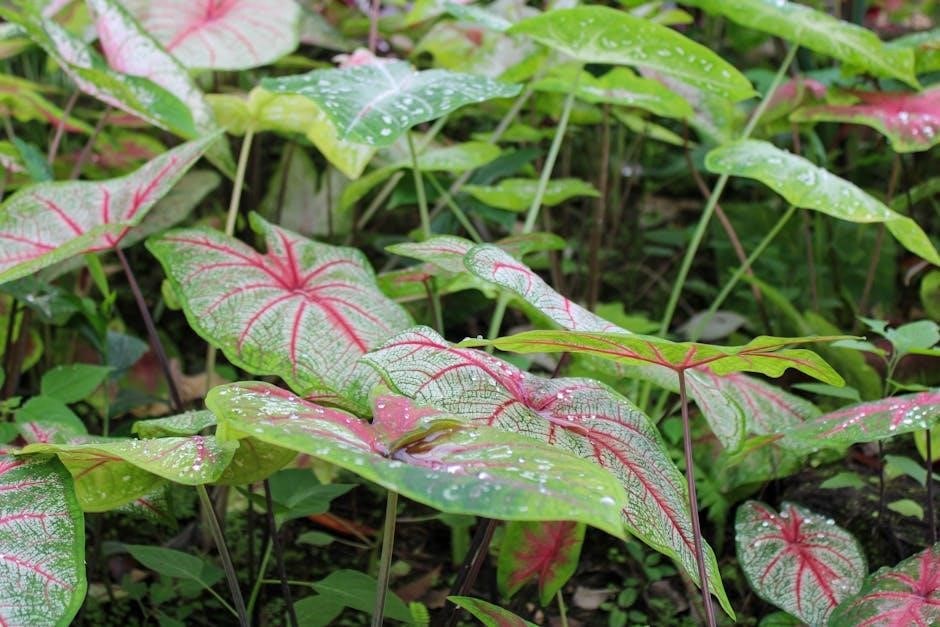
This elemental and seasonal understanding, central to Hildegardian practice, emphasizes living in harmony with nature. The readily available text provides practical guidance for maintaining well-being through mindful adaptation to the environment.
Holistic Approach: Body, Soul, and Spirit
Hildegard of Bingen’s medical system, comprehensively outlined in the “Manual de Medicina” – often found as a free PDF download – transcends purely physical healing, embracing a profoundly holistic perspective. She viewed the human being as an integrated whole: body, soul, and spirit inextricably linked.
Illness wasn’t simply a physical malfunction but a disruption of harmony within this triad. The Manual emphasizes that restoring health requires addressing imbalances on all three levels. Spiritual practices, music, and emotional well-being were considered vital alongside dietary and herbal treatments.
Accessing the PDF reveals Hildegard’s belief that divine power is essential for complete healing, particularly for deeply rooted ailments. This integrated approach distinguishes her medicine, offering a path to wellness beyond symptom management.

Key Texts and the “Manual de Medicina”
Hildegard’s prolific writings include vital medical texts, notably the “Manual de Medicina,” now widely available as a free PDF for study and practice.
Digital access facilitates exploring her comprehensive system, offering insights into natural healing and well-being, as of January 27, 2026.
Overview of Hildegard’s Medical Writings
Hildegard of Bingen’s medical contributions extend beyond the renowned “Manual de Medicina,” encompassing two significant works: the “Physica” and the “Causae et Curae.” The Physica details the medicinal properties of plants, animals, and stones, reflecting her deep connection to the natural world.
Conversely, the “Causae et Curae” – often translated as “Causes and Cures” – forms the core of her medical system, diagnosing illnesses based on humoral imbalances and offering treatments rooted in diet, herbs, and lifestyle adjustments.

The “Manual de Medicina” serves as a practical guide derived from “Causae et Curae”, providing specific remedies and instructions. Today, these texts, including the Manual available as a free PDF, offer a unique perspective on medieval medicine, emphasizing holistic well-being and the interconnectedness of body, soul, and spirit. Digital accessibility allows for broader study of her comprehensive approach.
Availability of the “Manual de Medicina” in PDF Format
The “Manual de Medicina de Santa Hildegarda” is increasingly accessible online in PDF format, offering a convenient way to study her medical insights. Numerous websites host downloadable versions, often labeled as “gratis” or free, catering to growing interest in her holistic approach;
Platforms like Academia.edu and various resource pages dedicated to Hildegardian studies provide links to these PDFs. However, users should exercise caution when downloading from unverified sources, prioritizing reputable websites to avoid potential malware or inaccurate translations.
The proliferation of digital copies reflects a desire for accessible traditional knowledge, allowing individuals to explore Hildegard’s remedies and dietary recommendations independently. Availability varies, but a search for “Manual de Medicina PDF gratis” yields numerous results.
Authenticity and Translations of the Text
When accessing the “Manual de Medicina de Santa Hildegarda” in PDF format, verifying authenticity is crucial. Numerous translations exist, impacting the interpretation of her medical wisdom. While many gratis versions are available online, their accuracy can vary significantly.

Some PDFs may be scans of older translations, potentially containing errors or outdated terminology. Others represent more recent scholarly efforts, aiming for greater fidelity to the original Latin text.
Users should seek translations from recognized scholars or publishers to ensure reliability. Comparing multiple versions can reveal discrepancies and aid in a more nuanced understanding. Always consider the translator’s credentials and the source of the PDF before accepting its contents as definitive.

Diet and Nutrition in Hildegardian Medicine
Hildegard emphasized “food as medicine,” with the “Manual” detailing specific foods – spelt, fennel – and recipes, often found in PDFs online today.
Specific Foods Recommended by Hildegard
Hildegard of Bingen’s dietary recommendations, meticulously outlined within the “Manual de Medicina,” prioritize foods believed to balance the humors and promote overall well-being. Spelt is prominently featured, considered superior to wheat for its nourishing qualities and ease of digestion. Fruits like apples and pears, when ripe, are favored, while avoiding overripe or fermented varieties.
She also championed the use of nuts, particularly almonds and hazelnuts, for their strengthening properties. Fennel, both the bulb and seeds, appears frequently in recipes and is valued for its digestive benefits. Additionally, Hildegard advocated for the consumption of barley, beans, and certain types of fish. Many of these recommendations, alongside detailed recipes, are readily available in PDF versions of the “Manual” circulating online, offering modern readers access to this ancient wisdom.
These food choices weren’t arbitrary; they were deeply connected to her understanding of the elements and their influence on the body.
Recipes Based on Hildegard’s Principles (Spelt Bread, Fennel Infusion)
Hildegard’s culinary philosophy, detailed in the “Manual de Medicina,” emphasizes the therapeutic power of food. Spelt bread, a cornerstone of her diet, is believed to warm the body and strengthen the spirit. Recipes often call for minimal processing and natural sweeteners like honey. Fennel infusion, another frequently recommended preparation, aids digestion and calms the nerves.
These aren’t merely culinary instructions; they are medicinal prescriptions. The “Manual,” now accessible in PDF format, provides specific guidance on ingredient preparation and consumption. Modern adaptations of these ancient recipes, like “galletas de la alegría,” demonstrate the enduring relevance of her approach. Finding a free PDF allows exploration of these time-tested remedies.
Her focus was on utilizing whole, natural ingredients to restore balance within the body, a concept resonating with contemporary wellness practices.
The Concept of “Food as Medicine”
Hildegard of Bingen’s medical system, comprehensively outlined in the “Manual de Medicina,” fundamentally views food as preventative and curative. This isn’t simply nutrition; it’s a deeply integrated approach where specific foods address imbalances within the body’s humors. Accessing a PDF version of the Manual reveals detailed correlations between food properties and their effects on health.
She believed that the right foods could expel “evil humors” and restore vitality. This concept, now gaining renewed interest, emphasizes the importance of seasonal, locally sourced ingredients. The freely available Manual de Medicina de Santa Hildegarda gratis provides a wealth of information on this principle.
Recipes aren’t arbitrary; they are carefully constructed to promote well-being, demonstrating a holistic understanding of the body-soul connection.

Herbal Remedies and Natural Treatments
Hildegard’s “Manual de Medicina,” often found as a PDF, details herbal applications for ailments, emphasizing natural healing and restoring humoral balance today.
Common Herbs Used in Hildegardian Medicine
Hildegard of Bingen’s medical writings, accessible through resources offering a “Manual de Medicina de Santa Hildegarda PDF gratis,” highlight numerous herbs for therapeutic purposes. Fennel is prominently featured, often recommended in infusions to aid digestion and alleviate intestinal discomfort, reflecting her “food as medicine” philosophy.
Other frequently cited herbs include gentian, used to stimulate appetite and improve liver function, and dandelion, valued for its detoxifying properties. She also utilized peppermint for digestive issues and headaches, and sage for its anti-inflammatory and antimicrobial effects. The Manual details specific preparations and applications, emphasizing the importance of understanding each herb’s qualities and corresponding to the individual’s humoral imbalance.

These herbal remedies, detailed within the freely available PDF versions, represent a cornerstone of Hildegardian medicine, offering a natural approach to wellness and healing.
Preparation and Application of Herbal Remedies
The “Manual de Medicina de Santa Hildegarda,” often found as a PDF gratis online, meticulously outlines herbal preparation methods. Hildegard emphasized specific techniques to unlock each herb’s potency. Infusions, decoctions, and juices were common, tailored to the plant’s properties and the ailment being addressed.
Application varied; some remedies were ingested, while others formed topical salves or compresses. The Manual stresses considering the patient’s constitution and humoral balance when determining dosage and method. For example, gentian infusions were prescribed for digestive weakness, while sage was used in washes for wounds.
These detailed instructions, readily available in the downloadable PDF, demonstrate Hildegard’s practical approach, bridging herbal knowledge with individualized patient care, promoting holistic healing.
Addressing Specific Ailments with Herbs
The “Manual de Medicina de Santa Hildegarda,” accessible as a PDF gratis, details herbal treatments for a wide range of conditions. Hildegard categorized ailments based on humoral imbalances, prescribing specific herbs to restore equilibrium. For digestive issues, gentian and dandelion were favored, while liverwort addressed inflammation.
Nervous disorders benefited from lavender and pennyroyal, and skin conditions responded to burdock and celandine. The Manual doesn’t offer simple cures, but rather nuanced approaches considering the whole person.
Downloading the PDF reveals detailed descriptions of symptoms and corresponding herbal protocols, showcasing Hildegard’s profound understanding of the body’s interconnectedness and the healing power of nature.
Finding a Free PDF of the “Manual de Medicina de Santa Hildegarda”
PDF versions of the “Manual” are available online, but exercise caution; prioritize reputable sources to avoid viruses and ensure text authenticity.
Numerous websites offer a gratis download, yet verifying copyright and source legitimacy is crucial for safe access to this historical text.
Reputable Sources for Download
Locating a trustworthy PDF of Hildegard of Bingen’s “Manual de Medicina” requires careful navigation of online resources. Academia.edu, while requiring account creation, often hosts scholarly uploads, potentially offering verified versions of the text. Several websites dedicated to holistic health and historical texts may also provide access, but always scrutinize the source’s credibility.
Beware of sites promising immediate, unrestricted downloads without any indication of provenance. Look for sources that cite the translation used and offer information about the text’s history. Checking for mentions in academic papers or reputable online libraries can further validate a source’s reliability. Remember, a free download doesn’t automatically equate to a legitimate one; prioritize safety and authenticity when accessing this valuable historical document.
Consider exploring digital libraries specializing in medieval manuscripts, as they may offer digitized versions or links to reliable resources.
Potential Risks of Downloading from Unverified Sources
Downloading the “Manual de Medicina de Santa Hildegarda” PDF from unverified websites carries significant risks. These include the potential for malware infections, viruses, and other malicious software disguised as the desired file. Such downloads can compromise your device’s security and personal data, leading to identity theft or financial loss.
Furthermore, files from untrustworthy sources may contain inaccurate or incomplete translations, rendering the medical information unreliable and potentially harmful if applied without expert guidance. Copyright infringement is another concern, as distributing unauthorized copies of copyrighted material is illegal. Always prioritize legitimate sources to avoid these pitfalls and ensure the integrity of the information you receive.
Protect yourself by utilizing reputable antivirus software and exercising caution when clicking download links.
Legal Considerations Regarding Copyright
Downloading and distributing the “Manual de Medicina de Santa Hildegarda” PDF without proper authorization raises significant copyright concerns. The text remains protected by intellectual property laws, even centuries after its creation, and unauthorized reproduction constitutes infringement. Sharing or profiting from illegally obtained copies can lead to legal repercussions, including fines and potential lawsuits.
While some older texts may fall into the public domain in certain jurisdictions, verifying the copyright status is crucial before downloading or sharing. Respecting intellectual property rights supports the preservation and continued accessibility of valuable historical and medical knowledge. Opting for legally obtained translations and editions ensures compliance with copyright regulations.
Always seek authorized sources for the text.