
three way switch wiring diagram pdf
Understanding Three-Way Switch Wiring
Navigating a three-way switch wiring diagram PDF unveils complexities, yet mastering it grants control over a single light from two locations—a common home feature․
What is a Three-Way Switch?
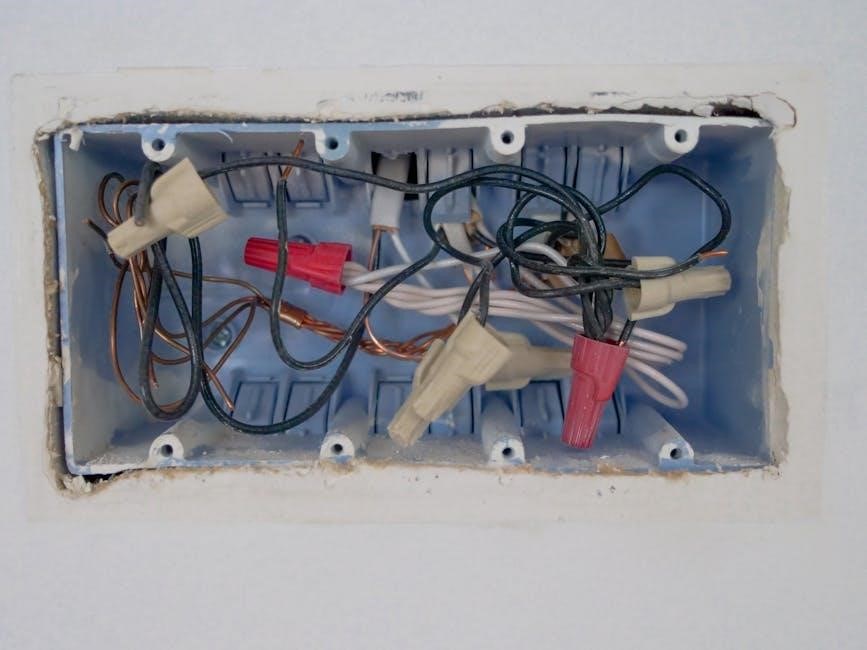
A three-way switch isn’t simply an on/off device; it’s a specialized electrical switch enabling control of a single light fixture from two different locations․ Unlike a standard switch with two terminals, a three-way switch boasts three terminals: a common terminal, and a pair of traveler terminals․ Examining a three-way switch wiring diagram PDF reveals how these terminals interact․
The core function relies on redirecting electrical current through one of two “traveler” wires․ Flipping either switch changes which traveler wire carries the power to the light․ This allows either switch to turn the light on or off, regardless of the other switch’s position․ Understanding this fundamental principle, visually represented in a three-way switch wiring diagram PDF, is crucial for successful installation and troubleshooting․ They are commonly used in hallways, staircases, and large rooms for convenience․
How Three-Way Switches Differ from Standard Switches
Standard switches, often called single-pole switches, possess a simple on/off functionality, interrupting or completing a single circuit․ A three-way switch wiring diagram PDF immediately highlights the difference: three-way switches don’t simply break a circuit; they redirect it․ This redirection is achieved through the use of traveler wires, absent in standard switch configurations․
Furthermore, standard switches have two terminals, while three-way switches have three – a common terminal and two traveler terminals․ This extra terminal allows for the alternate path for electricity․ A three-way switch wiring diagram PDF illustrates how the traveler wires connect between the two switches, creating this dual-control capability․ Consequently, three-way switches require a different wiring approach and a deeper understanding of circuit pathways than their simpler counterparts, demanding careful study of the diagram․
Essential Components for Wiring
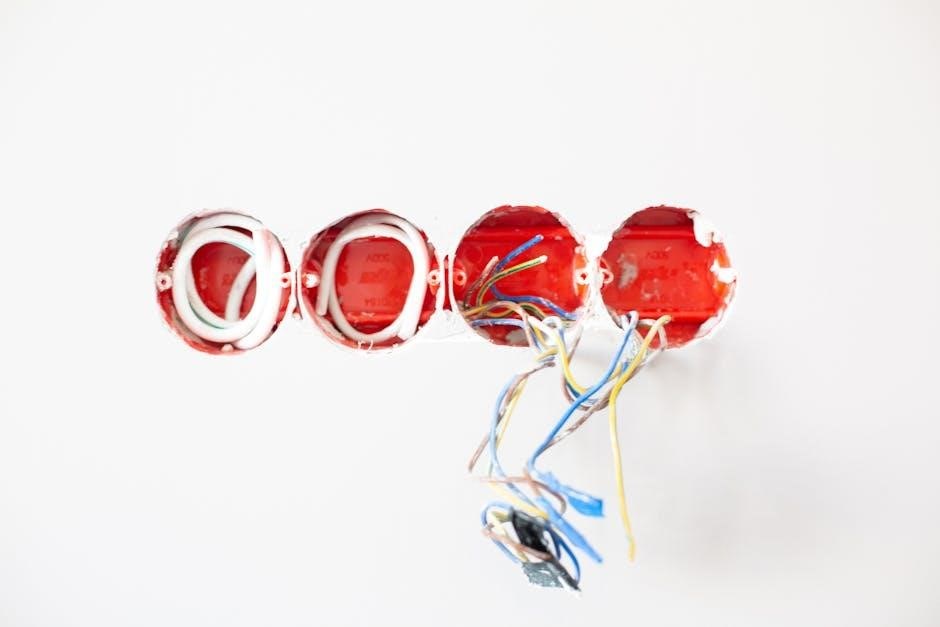
A three-way switch wiring diagram PDF reveals crucial elements: switches, wires (hot, neutral, ground), connectors, and tools—all vital for a safe installation․
Three-Way Switches: Traveler, Common, and Ground Terminals
Examining a three-way switch wiring diagram PDF highlights the key terminals on these specialized switches․ The common terminal, usually darker in color, receives power from the source or sends it to the light fixture․ It’s the pivotal point for circuit completion․ Traveler terminals, typically a pair of brass-colored screws, facilitate the communication between the two switches; they carry the current back and forth, enabling control from either location․
Understanding the ground terminal, often green, is paramount for safety․ It provides a path for fault current, preventing electrical shock․ A detailed three-way switch wiring diagram PDF will clearly label these terminals, often with corresponding wire colors․ Correctly identifying and connecting these terminals is crucial for proper functionality and, most importantly, electrical safety․ Miswiring can lead to a non-functional circuit or, worse, a hazardous situation․
Electrical Wire: Identifying Hot, Neutral, and Ground
Deciphering a three-way switch wiring diagram PDF necessitates understanding electrical wire identification․ The hot wire, typically black, carries the electrical current from the power source․ It’s the live conductor and must be handled with extreme caution․ The neutral wire, usually white, provides the return path for the current, completing the circuit․ It’s generally safe to touch when the power is off․
Crucially, the ground wire, often bare copper or green, is a safety feature, providing a path for fault current to prevent shocks․ A comprehensive three-way switch wiring diagram PDF will consistently use these color codes․ Always verify wire identification with a non-contact voltage tester before commencing any wiring work․ Incorrectly identifying these wires can lead to dangerous situations, emphasizing the importance of careful verification and adherence to the diagram․
Tools Required for Safe and Effective Wiring
Successfully interpreting a three-way switch wiring diagram PDF and executing the wiring demands specific tools․ A non-contact voltage tester is paramount for confirming power is off before handling wires, ensuring safety․ Wire strippers are essential for cleanly removing insulation without damaging the conductors․ Screwdrivers (flathead and Phillips) are needed for securing connections at the switches and light fixture․
Pliers assist with bending and manipulating wires, while electrical tape provides insulation for exposed connections․ A multimeter can verify continuity and voltage, aiding troubleshooting․ Following a three-way switch wiring diagram PDF is significantly easier and safer with these tools readily available․ Remember, using the correct tools minimizes risks and ensures a professional, reliable outcome․ Prioritize quality tools for optimal performance and safety․

Step-by-Step Wiring Diagram Guide
Decoding a three-way switch wiring diagram PDF reveals a sequence: power to the first switch, traveler wires connecting switches, and finally, to the fixture․
Basic Wiring Configuration: Power Source to First Switch
Initiating the wiring process, as detailed in a typical three-way switch wiring diagram PDF, begins with connecting the power source to the first switch․ The hot wire, usually black, carries the electrical current from the breaker panel․ This hot wire connects to the common terminal on the first three-way switch – often a darker-colored screw․
The neutral wire, typically white, doesn’t connect to the switch itself but continues onward, eventually reaching the light fixture․ Crucially, the ground wire, bare copper or green, must be securely connected to the grounding terminal on the switch and properly grounded within the electrical box for safety․
Always verify the power is OFF at the breaker before commencing any wiring․ A non-contact voltage tester is invaluable for confirming this․ Proper connection to the common terminal is paramount for establishing the initial power flow in this configuration, as illustrated in most diagrams․
Connecting the Traveler Wires Between Switches
Crucially, a three-way switch wiring diagram PDF emphasizes the role of traveler wires in enabling control from two locations․ These wires, typically red and another color (often black or blue), connect the two three-way switches․ They aren’t connected to the hot or neutral wires․ Instead, they attach to the remaining two terminals on each switch – these are usually lighter-colored screws․
The traveler wires create an alternating circuit path․ Regardless of which switch is toggled, one traveler wire will always be hot, allowing the circuit to complete and the light to turn on or off․ It’s vital to maintain consistency; connect the same colored wires to the same terminals on both switches․
Incorrect traveler wire connections are a common source of issues, leading to erratic switch operation․ Careful attention to the diagram and wire colors is essential for a functional setup․
Wiring the Second Switch to the Light Fixture
Referring to a three-way switch wiring diagram PDF, the second switch connects the traveler wires to the light fixture’s hot wire․ The “common” terminal on this switch receives the power from the traveler wire originating from the first switch․ This common terminal then connects to the hot wire leading to the light fixture itself․
Neutral wires are directly connected from the power source to the light fixture, bypassing the switches entirely․ The ground wire must also be securely connected to the fixture’s ground terminal, ensuring safety․ Proper grounding is paramount in any electrical installation․
Double-check the diagram to confirm correct wire connections before restoring power․ Incorrect wiring can cause the fixture to not function or, worse, create a safety hazard․ A meticulous approach, guided by the PDF, is key to success․
Troubleshooting Common Issues
Consulting a three-way switch wiring diagram PDF aids in diagnosing problems; check connections, traveler wires, and power supply for malfunctions and safety․
Light Doesn’t Turn On: Checking Power and Connections
When a light fails to illuminate after installing a three-way switch setup, systematically verifying power and connections is crucial․ Begin by re-confirming the breaker hasn’t tripped, utilizing a three-way switch wiring diagram PDF as a visual guide․ Ensure the power source is reaching the first switch in the circuit․
Next, meticulously inspect all wire connections at both switches and the light fixture itself․ Loose wire nuts or improperly seated wires are frequent culprits․ Double-check that the common wire is correctly connected to the common terminal on each switch․ Verify the traveler wires are securely attached to their respective terminals․
Employ a non-contact voltage tester to confirm power is present at the switch terminals (with the breaker on, of course!)․ If power isn’t detected, trace the wiring back to the breaker box․ A three-way switch wiring diagram PDF will be invaluable during this process, ensuring you follow the correct path․ Remember safety first – always disconnect power before physically inspecting wiring!
Switch Operates Incorrectly: Identifying Traveler Wire Problems
If your three-way switch setup functions erratically – perhaps one switch doesn’t affect the light, or the light behaves unpredictably – suspect issues with the traveler wires․ These wires are the key to communication between the two switches, and a disruption impacts functionality․ Consult a three-way switch wiring diagram PDF to visually confirm correct traveler wire placement․
Begin by verifying the traveler wires are securely connected to the traveler terminals on both switches․ Loose connections are a common cause․ Next, check for any damage to the traveler wires themselves – nicks, cuts, or compromised insulation can create intermittent connections․
Swapping the traveler wires at one switch can sometimes resolve the issue, effectively re-establishing the communication path․ However, always disconnect power before making any wiring changes․ A detailed three-way switch wiring diagram PDF is essential for accurately identifying and correcting traveler wire problems, ensuring consistent and reliable operation․
Safety Concerns: Identifying and Addressing Wiring Hazards
Electrical work, including three-way switch wiring, presents inherent hazards․ Always prioritize safety! Before commencing any work, absolutely disconnect power at the breaker box․ Confirm the power is off using a non-contact voltage tester – never assume․ A three-way switch wiring diagram PDF can help you understand the circuit, but it doesn’t replace safe practices․
Look for exposed wires, damaged insulation, or loose connections․ These pose shock and fire risks․ Ensure all connections are tight and properly insulated․ Avoid overloading circuits; three-way switch wiring doesn’t change a circuit’s capacity․
If you’re uncomfortable or unsure about any aspect of the wiring, consult a qualified electrician․ Incorrect wiring can lead to dangerous situations․ Familiarize yourself with local electrical codes and adhere to them strictly․ A three-way switch wiring diagram PDF is a guide, but safety remains paramount․

Advanced Wiring Scenarios
Exploring a three-way switch wiring diagram PDF reveals options for multiple lights or fixtures positioned between switches, increasing control and complexity․
Wiring with Multiple Lights
Consulting a three-way switch wiring diagram PDF for multiple lights introduces a parallel wiring approach․ The core principle remains consistent: traveler wires connect the switches, while the common terminals link to the power source and light fixtures․ However, instead of a single light, each fixture receives a connection from the common terminal of one of the switches․
Essentially, you’re creating multiple paths for the electricity to flow․ Ensure each light fixture is properly grounded․ When examining the diagram, pay close attention to how the neutral wires are handled – they typically connect directly to each fixture and the neutral bus in the electrical panel․ Carefully trace the hot wire from the power source through the switches and to each light․ Incorrect wiring can lead to lights not functioning or, more dangerously, a short circuit․ Always double-check your connections against the diagram before restoring power․
Wiring with a Light Fixture Between Switches
A three-way switch wiring diagram PDF reveals a unique configuration when a light fixture resides between the switches․ This setup often involves utilizing the light fixture’s junction box as a connection point for the traveler wires․ Instead of directly connecting the switches to each other with travelers, one traveler wire runs from the first switch to the light fixture, and the second traveler wire extends from the fixture to the second switch․
The power source connects to the common terminal of the first switch, and the load (light fixture) connects to the common terminal of the second switch․ Neutral wires connect directly to the fixture and the neutral bus․ This arrangement requires careful attention to wire routing and secure connections within the fixture’s box․ Always verify the diagram’s specific instructions, as variations exist, and improper wiring can create safety hazards or malfunction․

Safety Precautions
Prior to utilizing a three-way switch wiring diagram PDF, always disconnect power at the breaker and confirm it’s off with a tester․
Turning Off Power at the Breaker Box
Before even glancing at a three-way switch wiring diagram PDF, your absolute first step is ensuring complete electrical safety․ Locate your home’s electrical breaker box, typically found in a basement, garage, or utility room․ Identify the breaker controlling the circuit you’ll be working on – often labeled, but sometimes requiring testing with a circuit tracer․
Crucially, switch that breaker to the “OFF” position․ Do not rely solely on visual confirmation; always double-check using a non-contact voltage tester at the switch locations to verify the power is indeed off․ This tester will beep or light up if voltage is present․ Treat every wire as if it’s live until proven otherwise․ A momentary lapse in caution can lead to severe injury or even fatality․ Confirm no power is reaching the wires before proceeding with any wiring work, referencing your three-way switch wiring diagram PDF only after complete power disconnection․
Using a Non-Contact Voltage Tester
Even after switching off the breaker, a three-way switch wiring diagram PDF cannot replace physical verification of power absence․ A non-contact voltage tester (NCVT) is an indispensable safety tool․ Hold the tester near the wires you intend to work with – no physical contact is needed․ If voltage is present, the tester will emit an audible beep and/or a visual alert (usually a light)․
Test each wire individually: the hot (usually black), neutral (white), and ground (bare copper or green) wires․ A positive reading confirms live voltage, meaning the breaker wasn’t correctly identified or another circuit is energizing the wires․ Repeat the breaker shut-off and re-test․ Never assume a wire is safe based on color coding alone․ Always prioritize safety and confirm with the NCVT before referencing your three-way switch wiring diagram PDF and beginning any wiring modifications․
Importance of Following Electrical Codes
While a three-way switch wiring diagram PDF provides a visual guide, it’s crucial to understand that electrical work must adhere to local and national electrical codes․ These codes aren’t merely suggestions; they are legally mandated safety standards designed to prevent fires, shocks, and other hazards․ Ignoring these regulations can lead to dangerous situations and potential legal repercussions․
Codes dictate wire gauge requirements, proper grounding techniques, box fill capacities, and acceptable wiring methods․ Your local building department can provide information on the specific codes applicable to your area․ Always consult these codes in addition to your wiring diagram․ Improperly installed wiring, even if it appears to function correctly, can create hidden dangers․ Prioritize safety and compliance; a correctly wired system, following all codes, is paramount, surpassing even the clearest three-way switch wiring diagram PDF․