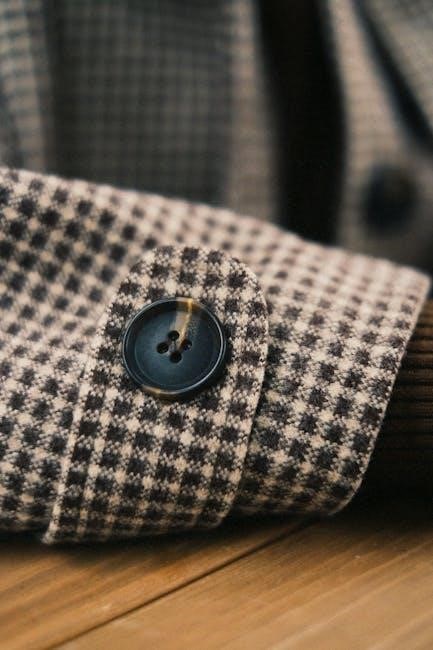
cata classic tailoring guide
Cata Classic Tailoring Guide: An Overview
Welcome, aspiring tailor! This guide details the art of classic tailoring within the Cataclysm expansion. Master skills and create stunning garments!
What is Cata Classic Tailoring?
Cata Classic Tailoring represents a return to the foundational crafting experience, emphasizing skill-based progression and player-driven economy within the Cataclysm re-release of World of Warcraft. Unlike later expansions, tailoring isn’t solely about churning out gear; it’s about mastering the craft itself.
This specialization focuses on creating clothing – shirts, pants, coats – primarily for player characters and, importantly, for the Auction House. Early tailoring involves learning recipes through trainers and discovering patterns. As your skill increases, you unlock the ability to craft higher-quality items, utilizing increasingly rare and valuable materials.
A key aspect is the demand for tailored items for transmogrification (“transmog”), allowing players to customize their appearance. Cata tailoring isn’t just about functionality; it’s about fashion and providing a service that caters to a player base eager to express their individual style. Success relies on understanding market trends and consistently delivering quality work.
The Appeal of Classic Tailoring in Cata
Classic tailoring in Cataclysm offers a uniquely rewarding gameplay loop. It’s a profession deeply intertwined with the game’s economy, providing consistent opportunities for gold generation. Unlike professions focused solely on gear upgrades, tailoring caters to a broader market – fashion, roleplaying, and general convenience.
The appeal lies in the tangible sense of progression. Each skill point earned unlocks new possibilities, from crafting simple linen shirts to elaborate, high-end coats. The satisfaction of creating a sought-after item and seeing it sold on the Auction House is significant. Furthermore, tailoring allows for self-sufficiency; you can create your own bags, shirts, and even some cosmetic items.
For many players, it’s a relaxing and engaging alternative to dungeon crawling or raiding. It’s a profession that rewards patience, attention to detail, and a willingness to learn the intricacies of the market. The demand for transmog items ensures a consistent revenue stream, making it a viable long-term investment.
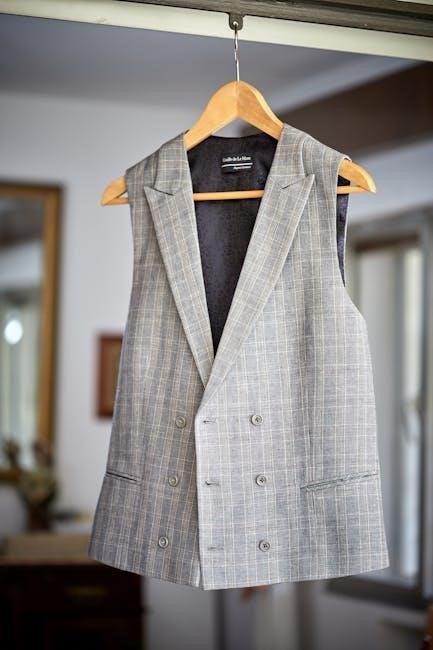
Gathering Materials for Cata Tailoring
Success in tailoring hinges on sourcing quality materials. This section explores acquiring essential cloths, threads, buttons, and trims for your creations.
Cloth Selection: Linen, Wool, Silk & More
Choosing the right cloth is paramount for any tailoring project in Cataclysm. Linen offers a lightweight, breathable option, ideal for warmer climates and simpler garments like shirts and summer trousers. It’s relatively inexpensive but wrinkles easily.
Wool, a staple for colder weather, provides warmth and durability. Different wool weights – from lightweight worsted to heavy tweeds – dictate the garment’s structure and suitability. Wool is excellent for coats, jackets, and robust trousers.

Silk, the most luxurious choice, drapes beautifully and possesses a unique sheen. It’s perfect for elegant dresses, blouses, and linings; However, silk is delicate and requires careful handling. Beyond these, consider cotton for everyday wear, and rarer materials like velvet for special occasions. Always check vendor availability and auction house prices!
Remember to factor in cloth color and pattern when planning your designs. A versatile tailor keeps a diverse stock.
Thread Choices: Quality and Color Matching
Thread selection is often overlooked, yet crucial for garment longevity and appearance. Don’t skimp on quality! Cheap thread breaks easily, leading to frustrating repairs and a diminished final product. Opt for strong, mercerized cotton or polyester threads.
Color matching is equally vital. A poorly matched thread is immediately noticeable. Ideally, acquire a thread that’s a precise shade darker than your chosen cloth. This minimizes visibility of stitches and blends seamlessly with the fabric.
Cataclysm offers a wide range of thread colors from various vendors and through player crafting. Utilize the color wheel in the game interface to find the closest match. Consider the cloth’s undertones – is it a warm or cool shade?
For intricate embroidery or embellishments, specialty threads like silk or metallic options can elevate your work. Keep a well-organized thread collection for efficient tailoring!
Button & Trim Acquisition
Buttons, buckles, and trims are the finishing touches that transform a tailored garment from functional to fashionable. Cataclysm provides numerous sources for these essential components.
Vendors in major cities – Stormwind, Orgrimmar, and Dalaran – stock a basic selection. However, for unique or high-quality options, explore tailoring suppliers and the Auction House. Don’t underestimate the value of scavenging old materials!
Trim choices include braids, ribbons, and lace, adding decorative flair. Consider the garment’s style when selecting trims; a rugged coat demands different embellishments than an elegant dress.
Rare buttons and trims can be obtained through world drops, reputation rewards, or even crafted by other players. Building relationships with other crafters can unlock access to exclusive materials. Remember to factor the cost of these additions into your pricing!
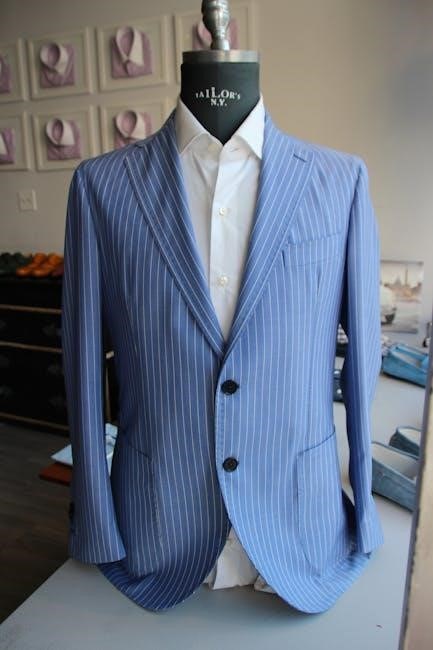
Basic Tailoring Skills & Tools
Essential skills include precise cutting, accurate stitching, and understanding fabric properties. A solid toolkit is vital for quality Cata tailoring success!
Needlework Fundamentals: Stitch Types
Mastering stitch types is foundational to Cata Classic tailoring. The running stitch, quick for basting, secures fabric temporarily. A strong backstitch provides durability for seams needing reinforcement – ideal for stress points on garments.
The slip stitch, nearly invisible, is perfect for hems and delicate closures. For decorative purposes, explore the blanket stitch, adding a charming edge to woolens. Don’t overlook the whip stitch, useful for joining edges quickly.
Understanding stitch length and tension is crucial. Shorter stitches offer strength, while longer stitches are faster. Consistent tension prevents puckering and ensures a professional finish. Practice these stitches on scrap fabric before applying them to your final creations. Experiment with different thread weights to complement your chosen fabrics, enhancing both the aesthetic and structural integrity of your tailored pieces. Proper stitch selection elevates your work!
Pattern Drafting & Alteration Basics
Pattern drafting allows for truly custom garments. Begin with accurate body measurements – bust, waist, hips, and length are essential. Utilize basic block patterns as a starting point, adapting them to your desired style. Learn to accurately transfer measurements and create smooth, flowing lines.
Alteration skills are equally vital; Often, pre-made patterns require adjustments for a perfect fit. Common alterations include adjusting the waist, lengthening or shortening sleeves, and modifying the neckline. Understand dart manipulation to reshape garments effectively.
Always make alterations on a muslin mock-up first! This prevents costly mistakes on your final fabric. Use pattern notches as guides and remember the principles of grainline. A well-fitted garment begins with a well-drafted or expertly altered pattern. Practice makes perfect – start with simple adjustments and gradually tackle more complex modifications.
Essential Tailoring Tools: Shears, Pins, etc.
Quality tools are paramount for successful tailoring. Invest in a sharp pair of fabric shears – they should cut cleanly without snagging. Dressmaker’s shears are ideal for general cutting, while embroidery scissors are perfect for delicate work.
Pins are your constant companions; use fine, sharp pins to avoid damaging fabrics. A seam ripper is essential for correcting mistakes (and you will make them!). A measuring tape, ruler, and French curve are crucial for accurate pattern drafting and alterations.

Don’t forget a tailor’s chalk or fabric marker for transferring patterns. A pressing iron and ironing board are vital for shaping and finishing garments. Consider a point turner and clapper for professional details. Finally, a comfortable thimble will protect your fingers during hand sewing!

Cata Tailoring Specializations
Diversify your skills! Cata tailoring offers paths in shirts, coats, and trousers. Each specialization demands unique techniques and unlocks distinct crafting options.
Shirt Tailoring: Collars, Cuffs & Sleeves
Mastering shirt tailoring requires precision and attention to detail, focusing on the elements that define a garment’s style and fit. Collars are paramount; learn to craft various styles – point, button-down, mandarin – ensuring a clean finish and proper stand.
Cuffs demand similar finesse. Barrel cuffs are simpler, while French cuffs necessitate button loops and a sophisticated appearance. Sleeve construction is crucial for comfort and movement. Accurate measurements and careful seaming prevent binding or excessive looseness.
Experiment with different fabrics to achieve varied looks, from crisp linen for summer shirts to luxurious silks for formal wear. Understanding darting and pleating techniques allows for a tailored fit that flatters the wearer. Don’t underestimate the impact of button placement and thread color on the overall aesthetic!
Coat & Jacket Tailoring: Structure & Fit
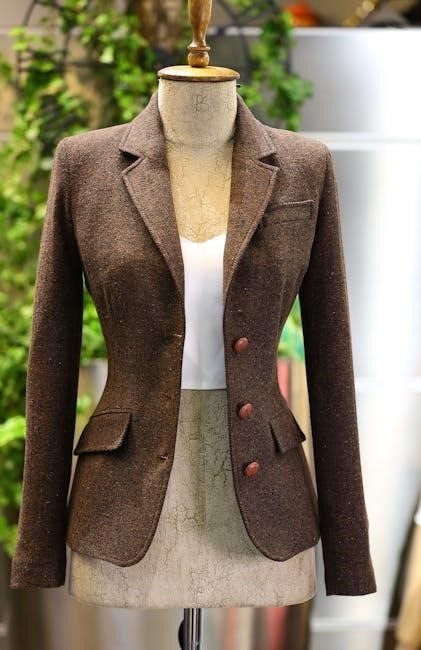
Coat and jacket tailoring represents a significant step up in complexity, demanding a strong understanding of garment structure. Interfacing is key – it provides shape and support to lapels, collars, and the overall body of the garment. Learn to select appropriate weights and materials for different fabrics.
Achieving a proper fit requires meticulous measurements and pattern adjustments. Shoulder shaping is critical for a flattering silhouette, while waist suppression defines the form. Pay close attention to sleeve pitch and length for optimal comfort and range of motion.
Consider the lining; a well-chosen lining enhances drape and durability. Mastering techniques like pad stitching and canvas construction elevates your work to a professional level. Experiment with different styles – single-breasted, double-breasted, fitted, or relaxed – to broaden your skillset.
Pants & Trouser Tailoring: Waistbands & Hems
Pants and trouser tailoring focuses heavily on precise fit and finishing details. Mastering waistband construction is fundamental – consider various methods like fitted, partially elasticized, or with belt loops. Accurate measurement of the waist and rise is crucial for comfort and a flattering appearance.
Hemming requires careful attention to detail. Different hem styles – plain, cuffed, or blind-stitched – offer varying aesthetics. Account for shoe height when determining the final break (the amount of fabric resting on the shoe). Proper pressing is essential for a crisp, clean finish.
Explore techniques like tapering legs, adding darts for shaping, and creating flat fronts or pleated fronts. Understanding grain direction and fabric drape will significantly improve the final product. Don’t underestimate the impact of well-placed pockets!
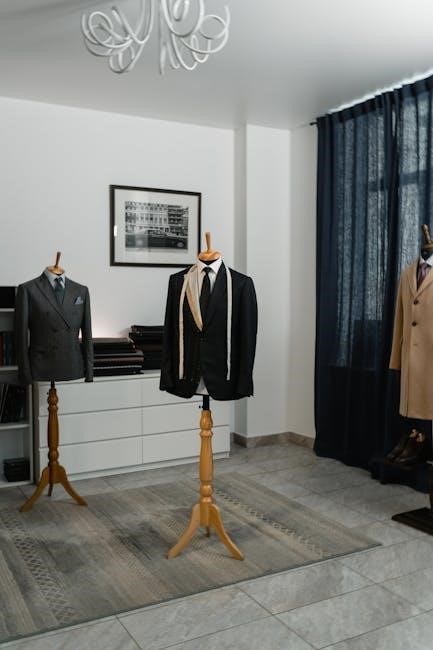
Advanced Techniques in Cata Tailoring
Elevate your craft! Explore complex designs, difficult fabrics, and pattern modifications to create truly unique and highly sought-after tailored masterpieces.
Working with Difficult Fabrics (Velvet, Leather)
Velvet presents unique challenges due to its nap and tendency to shift. Utilize a walking foot on your sewing machine to maintain even fabric feed, preventing unsightly stretching or distortion. Sharp needles are crucial – microtex needles are highly recommended. Consider using a pressing cloth to protect the pile during ironing, and always press with the nap.
Leather demands specialized techniques. Standard sewing machines can struggle; a leather needle is essential, and reducing presser foot pressure is often necessary. Avoid pinning leather, opting instead for tailor’s tacks or specialized clips. When sewing, a longer stitch length is preferable. Edge finishing is vital – consider using edge paint or carefully hand-stitching for a professional look. Leather requires careful handling and patience, but the results are exceptionally rewarding.
Remember to practice on scraps before tackling your final garment!
Creating Complex Designs & Embellishments
Elevate your tailoring beyond basic construction with intricate designs! Cataclysm allows for stunning embellishments. Explore techniques like appliqué, using contrasting fabrics to create decorative motifs. Learn French knots and other embroidery stitches to add texture and detail. Beading and sequin work can transform a simple garment into a masterpiece, but require patience and a strong needle.
Pattern manipulation is key. Experiment with dart shaping to create more fitted silhouettes, and learn to incorporate gathers and pleats for added volume and visual interest. Consider adding ruffles, lace inserts, or decorative trims. Don’t be afraid to sketch your designs beforehand to visualize the final product.
Remember that complex designs often require reinforced stitching and careful finishing to ensure durability and a polished appearance.
Pattern Modification for Unique Styles
Beyond replicating existing patterns, true tailoring artistry lies in adaptation! Cataclysm tailoring benefits from understanding how to modify base patterns. Lengthen or shorten sleeves and hems easily, but consider the impact on overall proportion. Alter necklines – raise, lower, or create asymmetrical designs – for a personalized touch.
Dart manipulation is crucial. Move darts to reshape the bust or waist, or convert them into princess seams for a more sculpted fit. Add or remove fullness in skirts and sleeves. Experiment with different collar styles, drafting your own variations from basic shapes.
Always create a muslin (test garment) before cutting into your final fabric. This allows you to assess the fit and make adjustments without ruining expensive materials. Careful planning and precise cutting are essential for successful pattern modification!
Cata Tailoring Reputation & Profit
Success demands quality! Build a strong reputation through exceptional craftsmanship, reliable service, and fair pricing to maximize profits in Cataclysm.
Building a Reputation with Quality Work
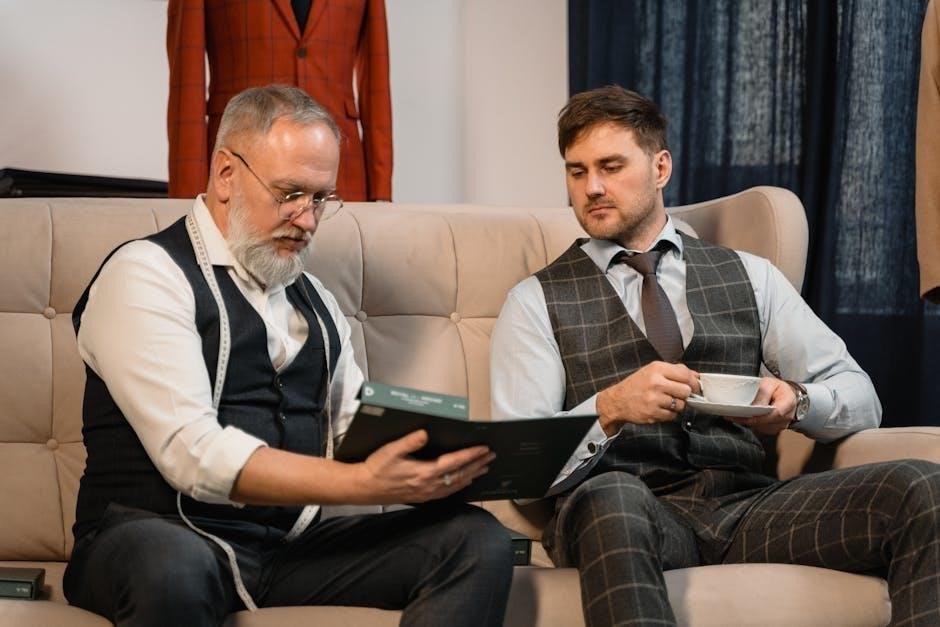
Establishing yourself as a skilled tailor in Cataclysm hinges on consistently delivering exceptional quality. Every stitch, seam, and button placement reflects your dedication and expertise. Prioritize precision and attention to detail in every commission, regardless of its size or complexity.
Word-of-mouth is incredibly powerful. Satisfied customers will readily recommend your services to others, fostering organic growth. Don’t underestimate the impact of exceeding expectations – a perfectly fitted garment or a thoughtful embellishment can create a loyal client base.
Actively solicit feedback and be receptive to constructive criticism. Use this information to refine your techniques and address any shortcomings. A willingness to learn and improve demonstrates professionalism and a commitment to excellence. Remember, a stellar reputation is built over time through consistent, high-quality work.
Pricing Your Tailoring Services
Determining fair and competitive pricing is crucial for a successful tailoring business in Cataclysm. Consider several factors: material costs, labor time, complexity of the design, and your skill level. Research what other tailors are charging for similar services to establish a baseline.
Break down your costs meticulously. Account for thread, buttons, linings, and any specialized materials. Calculate an hourly rate that reflects your expertise and experience. Don’t undervalue your time! Offer tiered pricing based on complexity – simple alterations will cost less than bespoke creations.
Be transparent with your clients about pricing upfront. Provide detailed quotes outlining all costs involved. Consider offering package deals or discounts for repeat customers. Regularly review your pricing to ensure it remains competitive and profitable, adjusting for fluctuating material costs.
Maximizing Profit Through Efficiency
Boosting your tailoring profits hinges on streamlining your workflow. Efficient organization is key – maintain a well-stocked inventory of commonly used materials like threads and buttons. Batch similar tasks together; cut multiple patterns at once, or sew all buttonholes in a single session.
Invest time in mastering shortcuts and techniques to reduce crafting time. Utilize tailoring addons that automate repetitive tasks or provide quick access to patterns. Delegate simpler tasks if possible, perhaps to apprentices or other players willing to assist for a share of the profits.
Minimize wasted materials by carefully planning cuts and utilizing scraps for smaller projects. Accurate measurements and precise stitching reduce the need for costly rework. Track your time and expenses to identify areas where you can improve efficiency and ultimately, increase your earnings.
Resources for Cata Tailors
Expand your knowledge! Discover helpful addons, websites, and communities dedicated to Cataclysm tailoring. Find mentors and elevate your craft today!
Useful Cata Tailoring Addons & Websites
Enhance your tailoring experience with several invaluable resources. For in-game assistance, consider the “Tailor” addon, providing quick access to recipes and material costs. Another excellent choice is “TradeSkillMaster,” which helps manage crafting professions, including tailoring, by tracking prices and automating tasks.
Beyond addons, numerous websites cater to Cataclysm tailors. Wowhead (https://www.wowhead.com/) remains a cornerstone, offering comprehensive databases of recipes, materials, and guides. Similarly, Allakhazam (https://classic.allakhazam.com/) provides detailed information and player comments.
Dedicated tailoring forums, often found on larger WoW community sites, are excellent for asking questions and sharing knowledge. Don’t overlook YouTube tutorials; many skilled tailors demonstrate techniques and offer valuable insights. Regularly checking these resources will keep you informed about the latest strategies and opportunities within Cataclysm tailoring!
Finding Mentors & Communities
Accelerate your learning by connecting with experienced Cataclysm tailors. Guilds focused on professions are a fantastic starting point; seek out those actively crafting and willing to share expertise. Server-specific tailoring communities often exist on Discord or other platforms – a quick search can reveal these hidden gems.
Don’t underestimate the power of in-game mentorship. Politely ask skilled tailors for advice or to observe their techniques. Many are happy to help newcomers. Participate actively in tailoring-related discussions on forums and social media.
Attending virtual or, if possible, local WoW meetups can also provide valuable networking opportunities. Learning from others’ successes and failures is invaluable. Remember, a supportive community fosters growth and makes the journey of mastering Cataclysm tailoring significantly more enjoyable and efficient!