
eat to beat disease food list pdf
Exploring the power of food as medicine, this concept centers on leveraging nutrition for health. The EAT-Lancet Commission guides sustainable, healthy dietary patterns, and a “Eat to Beat Disease food list PDF” can help!
Understanding Food as Medicine
The core idea is that food isn’t merely sustenance, but a potent tool for activating the body’s natural defenses. Dr. William Li champions this, highlighting how specific foods can bolster health and even reverse chronic illnesses. A comprehensive “Eat to Beat Disease food list PDF” becomes invaluable in this approach, guiding individuals towards choices that support these biological mechanisms.
This isn’t about restrictive dieting, but rather strategic eating. Understanding how nutrients impact cellular function – angiogenesis (blood vessel growth), regeneration, the microbiome, and immunity – is key. Resources like those from the EAT organization emphasize a science-based approach, linking dietary patterns to planetary and personal wellbeing. Finding a reliable PDF list is a practical first step towards harnessing food’s medicinal potential.
The EAT-Lancet Commission & Sustainable Diets
The EAT-Lancet Commission provides a crucial framework for healthy and sustainable food systems. Their 2019 report, and subsequent 2025 updates, define a planetary health diet – one that nourishes both people and the planet. This isn’t separate from the “Eat to Beat Disease” concept; rather, it provides the ecological foundation. A “Eat to Beat Disease food list PDF” should align with these principles, prioritizing plant-based foods, whole grains, and reduced animal product consumption.
The Commission’s work emphasizes a global, interdisciplinary approach, integrating nutrition, health, agriculture, and sustainability. It’s about ensuring food security for a growing population while minimizing environmental impact. Utilizing resources from the EAT organization alongside a targeted food list PDF empowers individuals to make informed choices that benefit both their health and the world around them.
Key Food Groups for Disease Prevention
Prioritizing vegetables, fruits, and whole grains is central to the “Eat to Beat Disease” approach; a comprehensive “Eat to Beat Disease food list PDF” details specifics.
Vegetables: Powerhouse of Nutrients
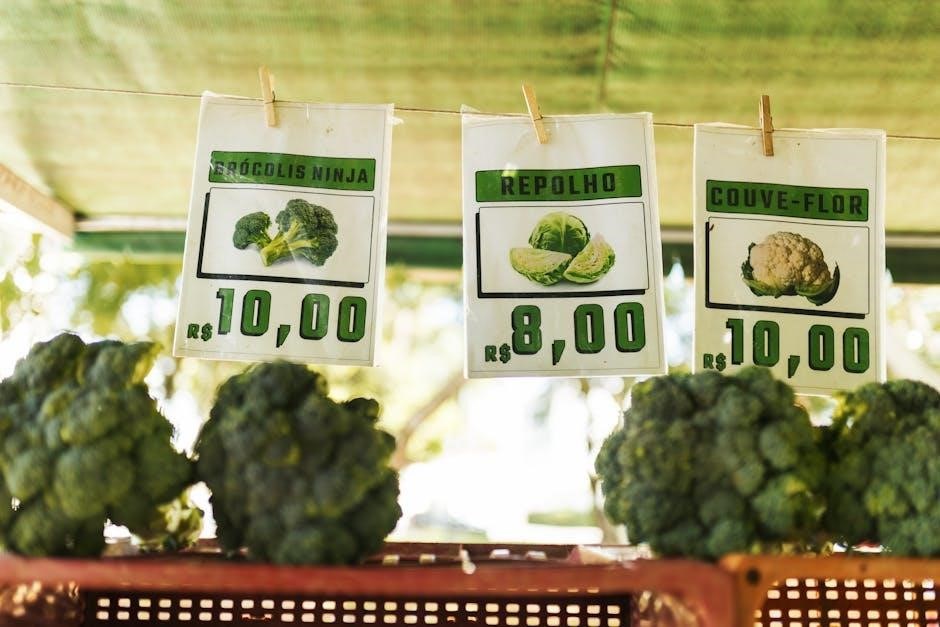
Vegetables are foundational to a disease-preventative diet, brimming with vital nutrients and protective compounds. A detailed “Eat to Beat Disease food list PDF” emphasizes incorporating a wide variety. Cruciferous vegetables – broccoli, cauliflower, and kale – offer potent anti-cancer properties. Leafy greens, like spinach, collard greens, and lettuce, deliver essential vitamins and minerals supporting overall health.
These plant-based powerhouses activate the body’s natural defense systems. The EAT-Lancet Commission highlights vegetables as a cornerstone of sustainable, healthy eating. Focusing on color diversity ensures a broad spectrum of phytonutrients, maximizing health benefits. Referencing a reliable “Eat to Beat Disease food list PDF” can guide optimal vegetable selection and consumption.
Cruciferous Vegetables (Broccoli, Cauliflower, Kale)
Cruciferous vegetables – broccoli, cauliflower, and kale – are highlighted in any comprehensive “Eat to Beat Disease food list PDF” due to their exceptional health-promoting properties. They contain glucosinolates, compounds converted into isothiocyanates, known for their potent anti-cancer effects. These compounds stimulate the body’s detoxification enzymes, neutralizing carcinogens.

Regular consumption supports cardiovascular health and reduces inflammation. The EAT-Lancet Commission advocates for increased vegetable intake, specifically emphasizing these nutrient-dense options. A “Eat to Beat Disease food list PDF” will detail preparation methods to maximize nutrient bioavailability. Incorporating these into your diet is a proactive step towards disease prevention and overall well-being.
Leafy Greens (Spinach, Collard Greens, Lettuce)
Leafy greens – spinach, collard greens, and lettuce – are foundational components of a disease-preventative diet and prominently featured on any “Eat to Beat Disease food list PDF”. Rich in vitamins, minerals, and antioxidants, they bolster the immune system and combat oxidative stress. These greens provide essential nutrients like folate, vitamin K, and lutein, supporting eye health and cognitive function.
The EAT-Lancet Commission emphasizes the importance of plant-based foods, and leafy greens are a cornerstone. A detailed “Eat to Beat Disease food list PDF” will outline optimal serving sizes and preparation techniques. Regularly including these in your meals contributes to cardiovascular health and may reduce the risk of chronic diseases.
Fruits: Nature’s Sweet Defense
Fruits offer a naturally sweet and powerful defense against illness, playing a vital role in the “Eat to Beat Disease” approach and appearing frequently on a comprehensive “Eat to Beat Disease food list PDF”. Packed with vitamins, minerals, and phytonutrients, they support overall health and well-being. Fruits contribute to a sustainable diet, as highlighted by the EAT-Lancet Commission.
A well-structured “Eat to Beat Disease food list PDF” will categorize fruits based on their specific health benefits. Prioritizing whole fruits over juices maximizes fiber intake and nutrient absorption. Incorporating a variety of fruits into your daily routine is a delicious and effective strategy for disease prevention and maintaining optimal health.
Berries (Blueberries, Strawberries, Raspberries)
Berries – blueberries, strawberries, and raspberries – are nutritional powerhouses consistently featured on any detailed “Eat to Beat Disease food list PDF”. Their vibrant colors signal a high concentration of antioxidants, crucial for combating cellular damage and reducing inflammation. These compounds support cardiovascular health and cognitive function, aligning with the EAT-Lancet Commission’s focus on preventative diets.
A comprehensive “Eat to Beat Disease food list PDF” will detail the specific benefits of each berry. Regular berry consumption is linked to a lower risk of chronic diseases. Enjoy them fresh, frozen, or added to smoothies for a delicious boost to your health regimen, supporting a sustainable and healthy lifestyle.
Citrus Fruits (Oranges, Lemons, Grapefruit)
Citrus fruits – oranges, lemons, and grapefruit – are staples in a disease-preventative diet and prominently featured on any comprehensive “Eat to Beat Disease food list PDF”. Packed with Vitamin C, these fruits bolster the immune system and act as potent antioxidants, protecting against cellular damage. They contribute to cardiovascular health and may reduce the risk of certain cancers, aligning with the EAT-Lancet Commission’s recommendations.
A detailed “Eat to Beat Disease food list PDF” will highlight the specific benefits of each citrus variety. Incorporate them into your daily routine – enjoy oranges as a snack, add lemon to water, or include grapefruit with breakfast – for a flavorful and health-promoting addition to your diet.
Whole Grains: Sustained Energy & Fiber
Whole grains are foundational to a health-focused diet, consistently appearing on any reputable “Eat to Beat Disease food list PDF”. Unlike refined grains, they retain all parts of the kernel, providing sustained energy, essential fiber, and vital nutrients. This fiber aids digestion, promotes gut health, and helps regulate blood sugar levels – crucial for preventing chronic diseases.
A comprehensive “Eat to Beat Disease food list PDF” will emphasize choosing whole grain options over processed alternatives. The EAT-Lancet Commission supports incorporating these into sustainable dietary patterns. Prioritize whole grains like oats, barley, quinoa, and brown rice for long-term health benefits and a balanced nutritional intake.
Oats & Barley
Oats and barley consistently feature on any detailed “Eat to Beat Disease food list PDF” due to their exceptional health benefits. Oats are rich in beta-glucan, a soluble fiber known to lower cholesterol and improve heart health. Barley, another excellent source of fiber, aids in blood sugar control and promotes digestive regularity.
These whole grains align perfectly with the EAT-Lancet Commission’s recommendations for sustainable and healthy diets. A “Eat to Beat Disease food list PDF” will highlight their versatility – enjoy oats as porridge, in granola, or baked goods, and barley in soups, stews, or as a side dish. Incorporating these regularly supports overall well-being and disease prevention.
Quinoa & Brown Rice
Quinoa and brown rice are staples often found within a comprehensive “Eat to Beat Disease food list PDF,” representing excellent alternatives to refined grains. Quinoa is a complete protein, containing all nine essential amino acids, and is also a good source of fiber and iron. Brown rice, unlike its white counterpart, retains its bran and germ layers, providing vital nutrients like magnesium and selenium.

These grains support the principles of the EAT-Lancet Commission by contributing to sustainable and nutritious dietary patterns. A “Eat to Beat Disease food list PDF” will emphasize their role in sustained energy levels and improved digestive health. Enjoy quinoa in salads or as a side, and brown rice with various meals for optimal benefits.
Foods Targeting Specific Health Concerns
Specific foods can address health issues; a “Eat to Beat Disease food list PDF” highlights options for cardiovascular, brain, and cancer health, promoting targeted nutrition.
Foods for Cardiovascular Health
Prioritizing heart health through diet is crucial. A comprehensive “Eat to Beat Disease food list PDF” emphasizes fatty fish like salmon, tuna, and mackerel, rich in omega-3 fatty acids, known to reduce inflammation and improve heart function. Incorporating nuts and seeds – particularly walnuts, flaxseeds, and chia seeds – provides healthy fats, fiber, and antioxidants. These nutrients contribute to lower blood pressure and cholesterol levels.
Focusing on these foods supports healthy blood vessels and reduces the risk of cardiovascular disease. Remember, dietary patterns, as outlined in resources like those from the EAT organization, are key to sustained heart health. A balanced approach, guided by a detailed food list, is paramount.
Fatty Fish (Salmon, Tuna, Mackerel)
These aquatic superfoods are cornerstones of cardiovascular health, frequently highlighted in an “Eat to Beat Disease food list PDF”. Salmon, tuna, and mackerel are exceptionally rich in omega-3 fatty acids – EPA and DHA – which possess potent anti-inflammatory properties. These essential fats actively combat inflammation within blood vessels, reducing plaque buildup and lowering the risk of heart attacks and strokes.
Regular consumption supports healthy blood pressure and cholesterol levels. Aim for at least two servings per week. The EAT-Lancet Commission emphasizes the importance of sustainable seafood choices, aligning with a holistic approach to health and planetary wellbeing, as detailed in available resources.
Nuts & Seeds (Walnuts, Flaxseeds, Chia Seeds)
Small but mighty, nuts and seeds are nutritional powerhouses often featured on an “Eat to Beat Disease food list PDF”. Walnuts boast a high concentration of omega-3 fatty acids, supporting brain and heart health. Flaxseeds and chia seeds are excellent sources of fiber, promoting digestive wellness and regulating blood sugar.
These tiny treasures also deliver essential vitamins, minerals, and antioxidants, protecting cells from damage. Incorporate a handful daily into your diet – add them to smoothies, salads, or enjoy as a snack. The EAT-Lancet Commission advocates for plant-based protein sources like these, contributing to sustainable and healthy eating patterns.
Foods for Brain Health & Dementia Prevention
Protecting cognitive function is crucial, and certain foods are highlighted on an “Eat to Beat Disease food list PDF” for their neuroprotective properties. Dementia, a cruel disease, can be potentially mitigated through dietary choices. Prioritizing foods rich in antioxidants and healthy fats supports brain health and may delay cognitive decline.
Focus on incorporating brain-boosting foods into your daily routine. The EAT-Lancet Commission emphasizes a holistic approach to nutrition, recognizing the link between diet and long-term health. A balanced diet, alongside lifestyle factors, can contribute to a sharper mind and a reduced risk of neurodegenerative diseases.
Avocados
Avocados are nutritional powerhouses, frequently appearing on an “Eat to Beat Disease food list PDF” due to their unique benefits for brain health. Rich in monounsaturated fats, avocados support healthy blood flow, crucial for optimal cognitive function. These fats also contribute to the absorption of fat-soluble vitamins, enhancing overall nutrient intake.
Beyond healthy fats, avocados provide essential vitamins like Vitamin K and folate, further bolstering brain health. Incorporating avocados into your diet is a simple yet effective strategy for supporting cognitive function and potentially reducing the risk of dementia, aligning with the EAT-Lancet Commission’s recommendations.
Dark Chocolate (in moderation)
Surprisingly, dark chocolate earns a place on many “Eat to Beat Disease food list PDF” resources, but moderation is key! Rich in flavonoids, particularly epicatechin, dark chocolate acts as a potent antioxidant, protecting brain cells from damage caused by free radicals. These compounds can enhance blood flow to the brain, improving cognitive function and potentially lowering dementia risk.
However, it’s crucial to choose dark chocolate with a high cocoa content (70% or higher) and limit portion sizes. Excessive sugar and fat can negate the health benefits. Enjoying a small square daily can be a delicious and beneficial addition to a brain-healthy diet, complementing the principles of the EAT-Lancet Commission.

Foods for Cancer Prevention
A proactive dietary approach, detailed in many “Eat to Beat Disease food list PDF” guides, emphasizes foods with potent anti-cancer properties. These aren’t cures, but can bolster the body’s defenses. Tomatoes, brimming with lycopene, a powerful antioxidant, are frequently highlighted for their potential to reduce prostate cancer risk. Similarly, garlic and onions, containing allium compounds, demonstrate anti-tumor effects in studies.
Incorporating these foods alongside a diet rich in fruits, vegetables, and whole grains, aligned with the EAT-Lancet Commission’s recommendations, can contribute to a lifestyle focused on disease prevention. Remember, a holistic approach is vital for optimal health outcomes.
Tomatoes (Lycopene Rich)
Tomatoes stand out as a key component in many “Eat to Beat Disease food list PDF” resources, primarily due to their high lycopene content. Lycopene, a carotenoid, is a potent antioxidant linked to a reduced risk of several cancers, particularly prostate cancer. Cooked tomatoes actually release more lycopene than raw ones, making sauces and pastes excellent choices.
Integrating tomatoes into your diet – whether as part of a Mediterranean-style meal or simply as a snack – supports cellular health. The EAT-Lancet Commission advocates for increased fruit and vegetable intake, and tomatoes perfectly fit this recommendation, offering both flavor and protective benefits.
Garlic & Onions (Allium Compounds)
Garlic and onions frequently appear on any comprehensive “Eat to Beat Disease food list PDF” due to their rich concentration of allium compounds. These compounds, including allicin (in garlic) and quercetin (in onions), exhibit powerful anti-inflammatory and antioxidant properties. Research suggests they can bolster the immune system and potentially inhibit cancer cell growth.
Regular consumption of garlic and onions is associated with a lower risk of various cancers, including stomach and colorectal cancers. Incorporating these flavorful ingredients into daily meals is a simple yet effective strategy for preventative health, aligning with the principles of the EAT-Lancet Commission’s dietary guidelines.
The Role of Dietary Patterns
Shifting focus from individual foods, dietary patterns like the Mediterranean and plant-based diets are key. A “Eat to Beat Disease food list PDF” supports these holistic approaches.
The Mediterranean Diet
Rooted in traditional eating habits of countries bordering the Mediterranean Sea, this dietary pattern emphasizes fruits, vegetables, whole grains, legumes, and olive oil. It prioritizes fish and poultry over red meat, and incorporates moderate amounts of dairy.
The Mediterranean Diet isn’t just about what you eat, but how – enjoying meals with others and incorporating physical activity are integral. Following principles outlined in a “Eat to Beat Disease food list PDF” can help align your choices with this health-promoting way of eating. It’s a sustainable, flavorful approach linked to reduced risk of chronic diseases, offering a blueprint for long-term wellbeing.
Plant-Based Diets
Emphasizing foods derived from plants, these diets range from vegetarian (excluding meat) to vegan (excluding all animal products). They are rich in vitamins, minerals, fiber, and antioxidants – key components for disease prevention. A well-planned plant-based approach, guided by a “Eat to Beat Disease food list PDF”, ensures adequate nutrient intake.
Beyond ethical and environmental benefits, plant-based eating is associated with lower risks of heart disease, type 2 diabetes, and certain cancers. Focusing on whole, unprocessed plant foods maximizes nutritional value. This dietary style aligns with sustainable food systems advocated by organizations like EAT, promoting both personal and planetary health.

Resources & Further Information
Discover comprehensive guidance! Search online for a “Eat to Beat Disease food list PDF” and explore the EAT organization’s website for sustainable diet insights.
Finding a “Eat to Beat Disease Food List PDF”
Locating a comprehensive “Eat to Beat Disease” food list in PDF format requires a focused online search. Numerous websites and health resources compile lists based on Dr. William Li’s research, detailing foods that actively defend the body’s health systems. These lists often categorize foods by their specific health-promoting properties – angiogenesis inhibition, targeting senescence, microbiome regeneration, and DNA protection.
When searching, be sure to verify the source’s credibility. Look for lists derived from reputable medical institutions or organizations like EAT, which focuses on sustainable and healthy food systems. PDF versions offer convenient portability and offline access, allowing you to easily integrate these dietary recommendations into your meal planning and grocery shopping. Remember to consult with a healthcare professional for personalized dietary advice.
EAT Organization Website
The EAT organization’s website (eat.org) serves as a central hub for understanding the science behind sustainable and healthy food systems. While not directly offering a specific “Eat to Beat Disease food list PDF,” EAT provides foundational research informing dietary choices for both personal and planetary health. Their reports, like the EAT-Lancet Commission’s findings, detail optimal dietary patterns for preventing chronic diseases and minimizing environmental impact.
Exploring EAT’s resources reveals the interconnectedness of food, health, and sustainability. You’ll find information on planetary health diets, sustainable food production, and the impact of food choices on global health outcomes. This knowledge empowers individuals to make informed decisions, complementing resources like Dr. Li’s work and downloadable food lists focused on disease prevention.